
When homeowners or business owners are planning a renovation, addition, accessory dwelling unit (ADU), or new construction project in Ontario, your design may not perfectly align with local zoning regulations. Setbacks, lot coverage, height, parking, and accessory structure rules vary across municipalities, and even well-designed projects can require flexibility.
That’s where a minor variance comes in.
A minor variance allows you to request small changes to zoning requirements so your project can proceed without needing a full zoning amendment. Understanding how the minor variance process works—and preparing your application correctly—is key to avoiding delays and increasing the likelihood of approval.
What Is a Minor Variance?
A minor variance is a formal request submitted to your municipality asking for permission to deviate from specific zoning regulations.
Common reasons homeowners or business owners apply include:
Reduced side, rear, or front yard setbacks
Increased lot coverage
Increased building height
Encroachments into required yards
ARU or secondary suite placement that doesn’t meet zoning
Expanding or altering legal non-conforming structures
Variances for decks, porches, or additions
A minor variance is not a loophole or workaround—it’s a structured legal process designed to handle situations where a project is reasonable but doesn’t fully fit zoning rules as written.
What Qualifies as a Minor Variance?
Municipalities evaluate minor variances using the Four Tests in Section 45(1) of the Planning Act. For approval, your application must meet all four:
1. Is the variance minor?
The impact on neighbours, streetscape, grading, and privacy must be small and reasonable.
2. Is it desirable for the appropriate development of the property?
The project must improve or sensibly use the land without creating negative effects.
3. Does it maintain the general intent of the Official Plan?
Your project must align with the city's long-term planning vision.
4. Does it maintain the general intent of the Zoning By-law?
Even with a requested change, the core purpose of the zoning rule must remain intact.
When Do You Need a Minor Variance?
You likely need a minor variance if your project includes:
An addition that pushes too close to a property line
A basement or backyard ARU that doesn’t meet lot coverage or parking rules
A deck, porch, or sunroom exceeding setback limits
A garage conversion that doesn’t meet height or distance requirements
A renovation to a legal non-conforming home
A building or structure placed in a regulated zone (varies by municipality)
If your renovation or new build does not fully comply with the zoning by-law—even by a small margin—your permit application will be rejected unless a variance is granted.
What Drawings Do You Need for a Minor Variance Application?
A successful application depends on clear and accurate drawings that demonstrate your request.
Municipalities typically require:
Site plan showing property lines, setbacks, structures, and proposed changes
Elevation drawings highlighting height changes or projections
Floor plans if interior changes impact footprint or use
Grading or drainage plans for additions and ARUs (when required)
Planning rationale letter supporting the Four Tests
Survey or R-Plan (often mandatory)
Photos and context images of existing conditions
Poor or incomplete drawings are one of the most common causes of delays, revisions, or rejections.
How the Minor Variance Process Works
Step One: Pre-consultation
Some municipalities require a zoning or planning meeting before applying.
Step Two: Prepare drawings and documents
Accurate plans and a strong planning rationale are crucial.
Step Three: Submit to the Committee of Adjustment
Applications include fees, drawings, surveys, and justification materials.
Step Four: Public notice period
Neighbours are notified and may submit comments or concerns.
Step Five: COA Hearing
Your application is reviewed publicly; the committee asks questions and votes.
Step Six: Decision and appeal period
If approved, there’s typically a 20-day appeal window before the decision becomes final.
How MW Drafting & Design Helps You Get Your Minor Variance Approved
MW Drafting & Design supports homeowners and builders across Ontario with complete minor variance services, including:
Zoning Review
We analyze your property, bylaws, and project goals to confirm exactly what variances are needed—and whether they meet the Four Tests.
BCIN-Certified Drawings
We prepare accurate, detailed site plans, elevations, and supporting materials that comply with municipal standards.
Planning Rationale Preparation
We craft clear justification documents that help demonstrate how your application meets provincial and municipal planning criteria.
Application Management
MW Drafting handles your submission, communication, scheduling, and COA requirements from start to finish.
Attendance at the Committee of Adjustment Hearing
We represent your project, answer technical questions, and support your case professionally and confidently.
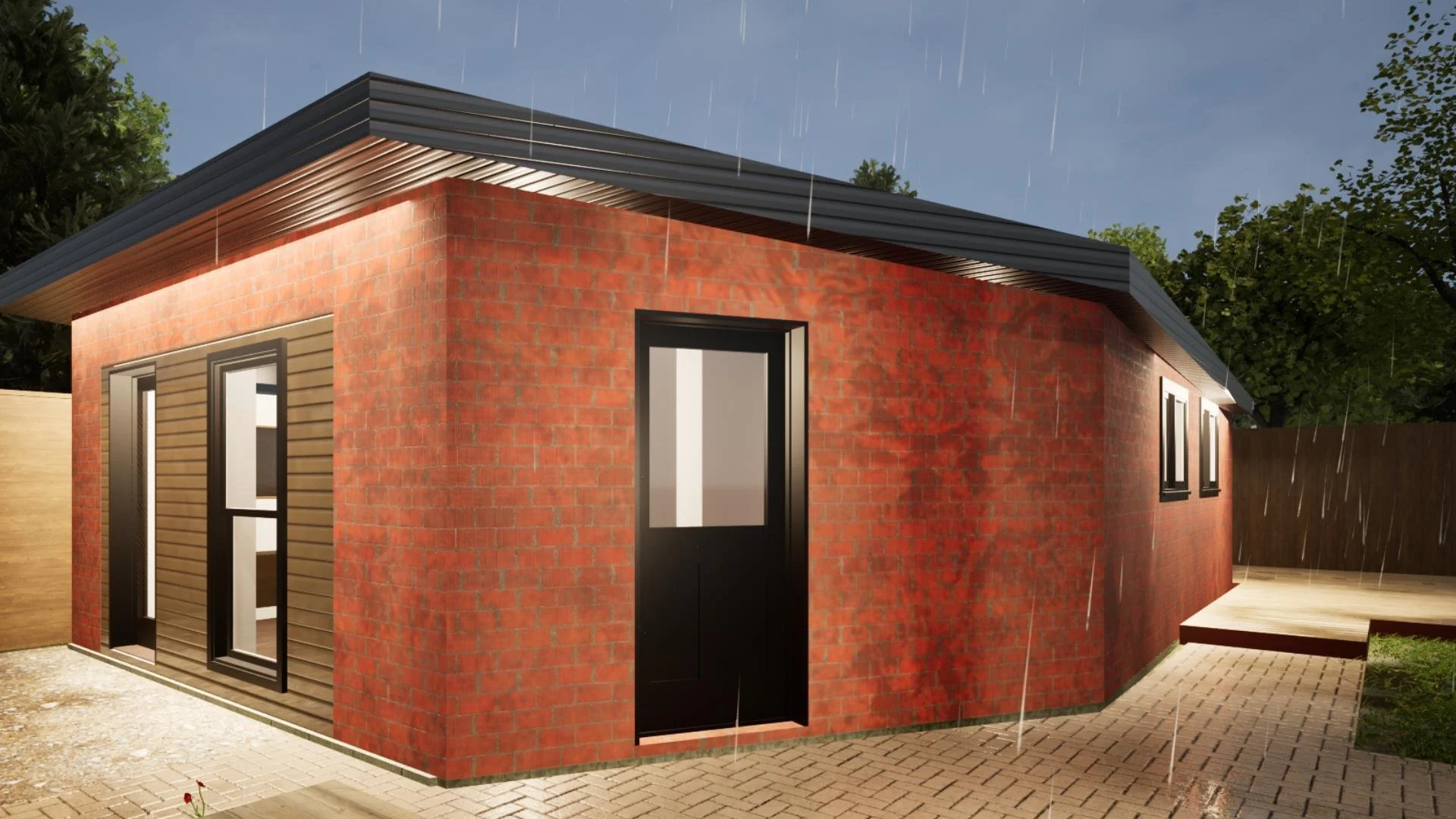
EXAMPLE: One of our (many) successful minor variance applications where we we’re able to move forward with converting a century-old garage into an ADU in Guelph, Ontario.
MW Drafting’s Minor Variance Guarantee
MW Drafting & Design proudly offers a minor variance guarantee, giving homeowners peace of mind that their application is supported by:
Proper zoning analysis
Accurate, compliant drawings
Strong planning rationale
Professional representation
Your variance is backed by expertise and a proven track record of successful approvals across Ontario.
Why Choose MW Drafting & Design for Your Minor Variance Application
Extensive experience with Ontario zoning and planning
BCIN-certified, permit-ready drawings
Clear understanding of municipal submission standards
Support for ARUs, additions, renovations, and custom builds
Local expertise across Waterloo Region, Wellington, and surrounding municipalities
Full application handling so you don’t have to navigate the process alone
A strong minor variance application combines technical accuracy, planning knowledge, and professional presentation—MW Drafting delivers all three.
Ready to Move Forward With Your Minor Variance?
If your project doesn’t perfectly fit zoning rules, a minor variance may be the key to moving ahead without redesigning your plans. MW Drafting & Design can guide your project from zoning review to final approval. Contact us to start your minor variance application today.