
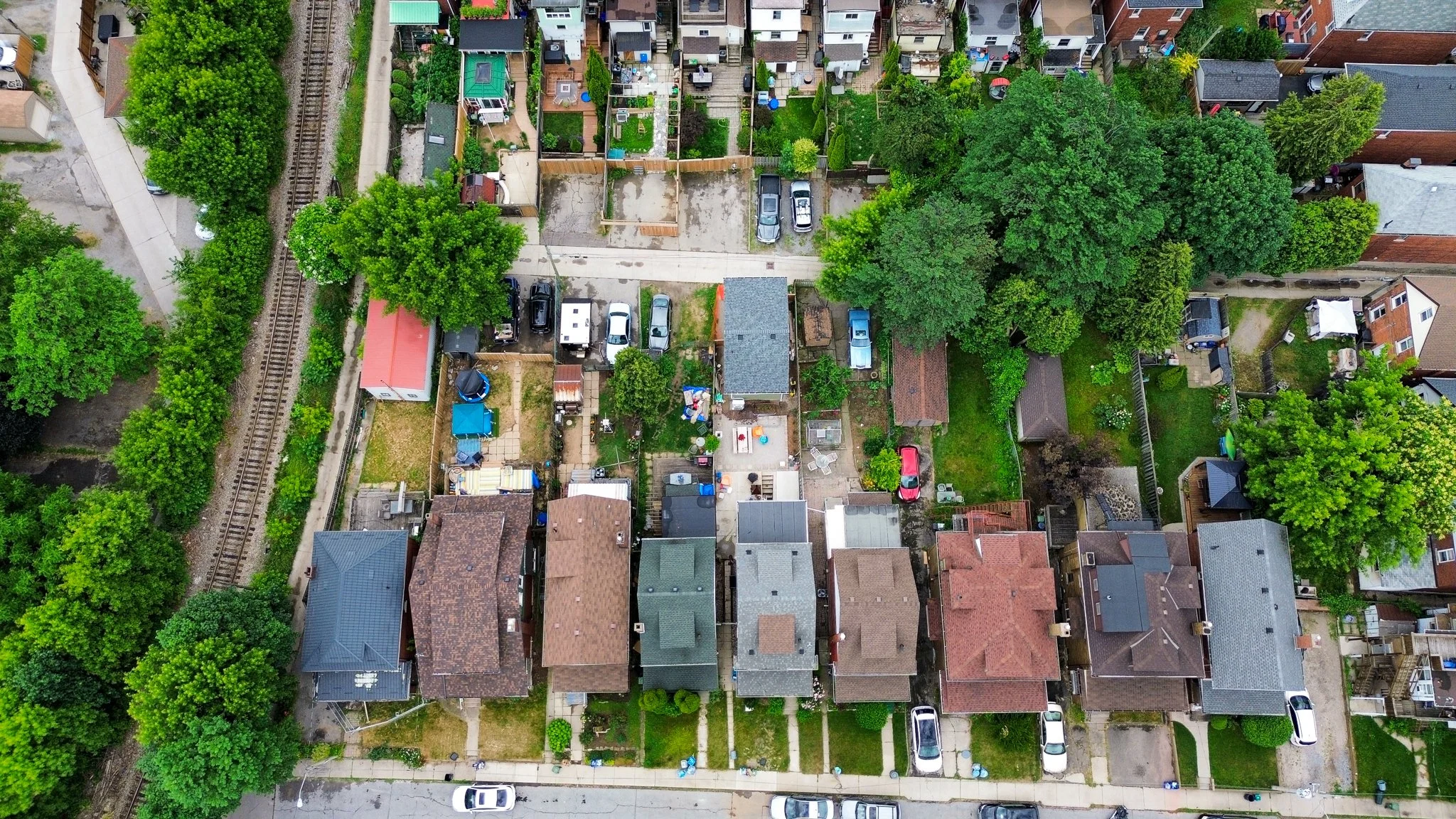
Across Ontario’s older urban neighbourhoods—including Hamilton—laneway homes, garden suites, and additional dwelling units (ADUs) are becoming one of the most in-demand ways to create new housing, increase property value, and maximize under-utilized spaces.
But designing a laneway home is not simple - especially on a tight, century-old lot, like so many in the city’s core. Heritage-era dimensions, limited access, strict height rules, drainage constraints, and zoning limits all make the process more challenging than most homeowners expect.
This is exactly why working with an experienced, detail-driven drafting and design team is essential—and why MW Drafting & Design has become a trusted choice for laneway home permit drawings throughout Hamilton and Ontario.
Here’s everything you need to know about designing a laneway unit in Hamilton, and an example of how we successfully designed a 2-storey laneway unit on a very narrow, century lot in Hamilton (and built with our partners at Suite Builders).
Why Are Laneway Homes Becoming So Popular in Hamilton?
Laneway homes solve several modern housing challenges:
They create gentle density without altering neighbourhood character
They add long-term rental income for homeowners
They provide multi-generational living options
They put under-used laneway lots to productive use
They help relieve housing shortages across Ontario cities
Hamilton has embraced these benefits through flexible zoning rules, as described on the City of Hamilton official ADU guidelines page here.
But even with supportive policies, the design and approval process remains technical—especially for narrow laneway lots in older urban districts.
What Are the Biggest Challenges When Designing a Laneway Home in Hamilton?
Homeowners and investors in Hamilton often discover the following obstacles:
Height restrictions on older, narrow lots
Many Hamilton laneway lots must comply with strict maximum height limits. Even small overages can trigger the need for a minor variance.
Tight building envelopes and close setbacks
Century properties often sit on smaller lots, leaving very little room for a new structure.
Existing non-conforming conditions
Uneven grades, aging infrastructure, and irregular lot shapes complicate the design process.
Ensuring constructibility in tight spaces
Laneway access can limit construction methods, equipment, and material staging.
Complex zoning reviews
Laneway homes must meet ARU standards for placement, massing, parking, and services.
These challenges require careful zoning analysis, creative design solutions, and municipal-ready drawings—which is exactly what MW Drafting & Design provided in the laneway home case study below.
Case Study: How MW Drafting Designed a Two-Storey Laneway Home on a Narrow Century Lot in Hamilton

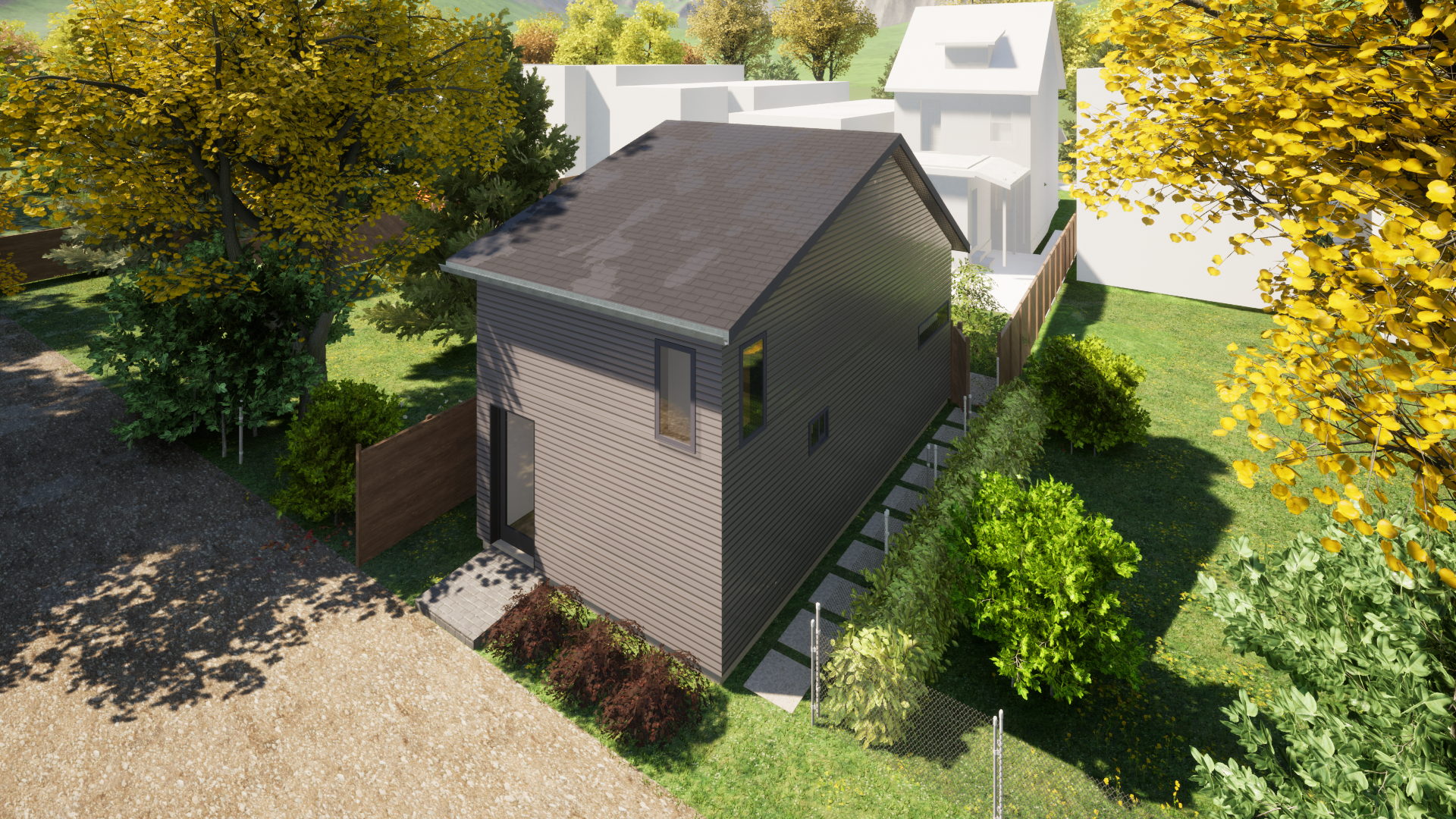
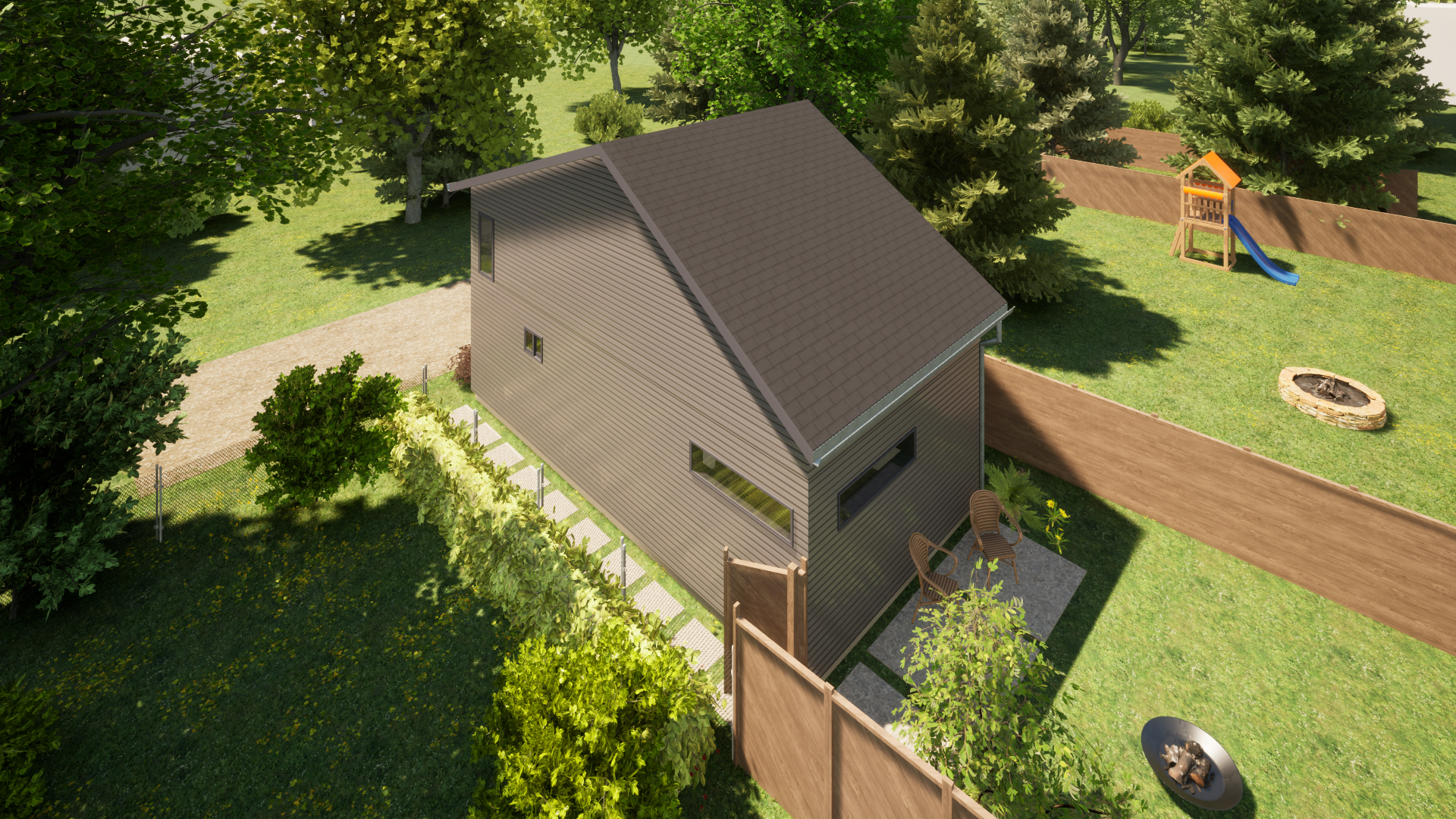
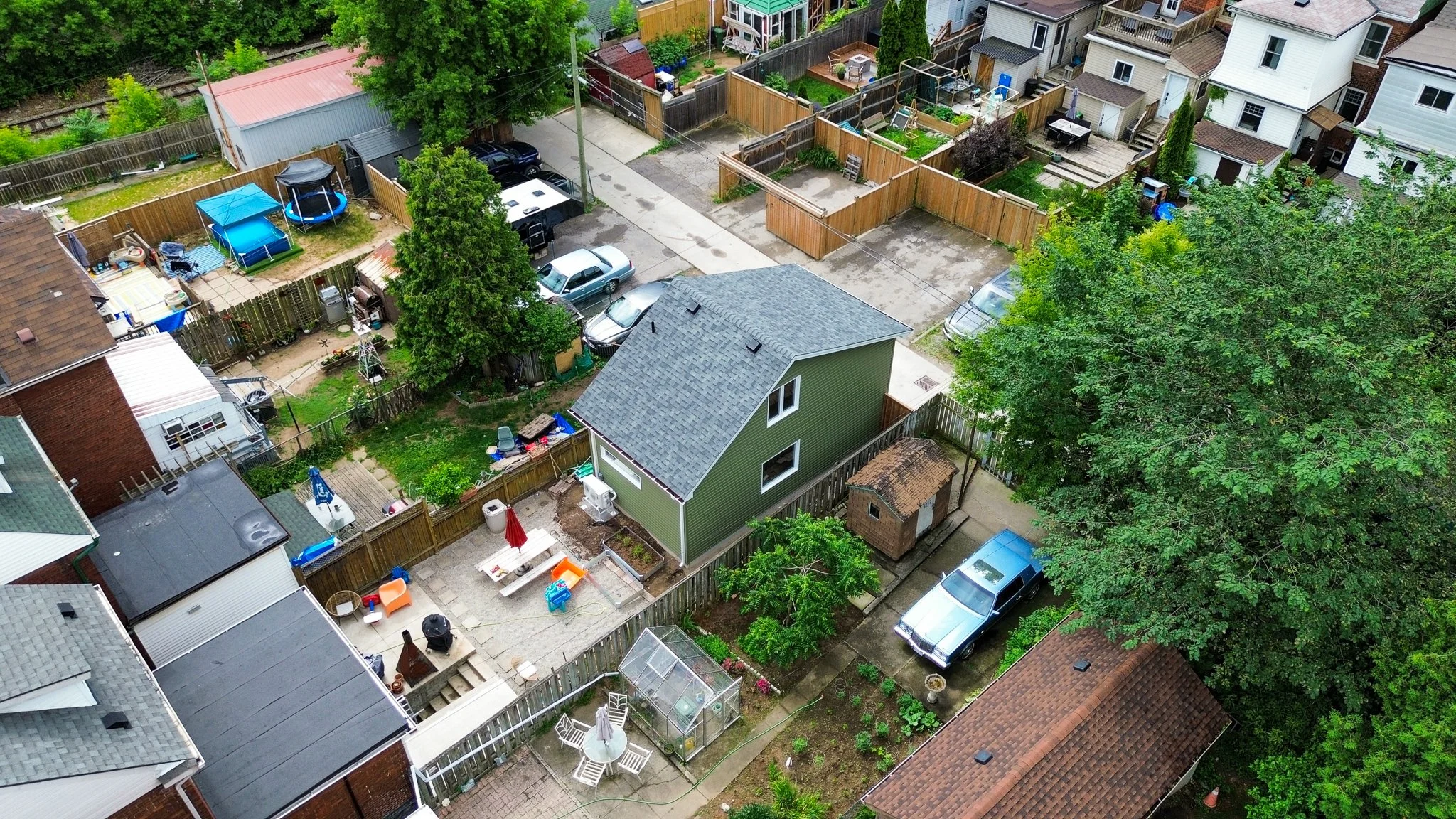
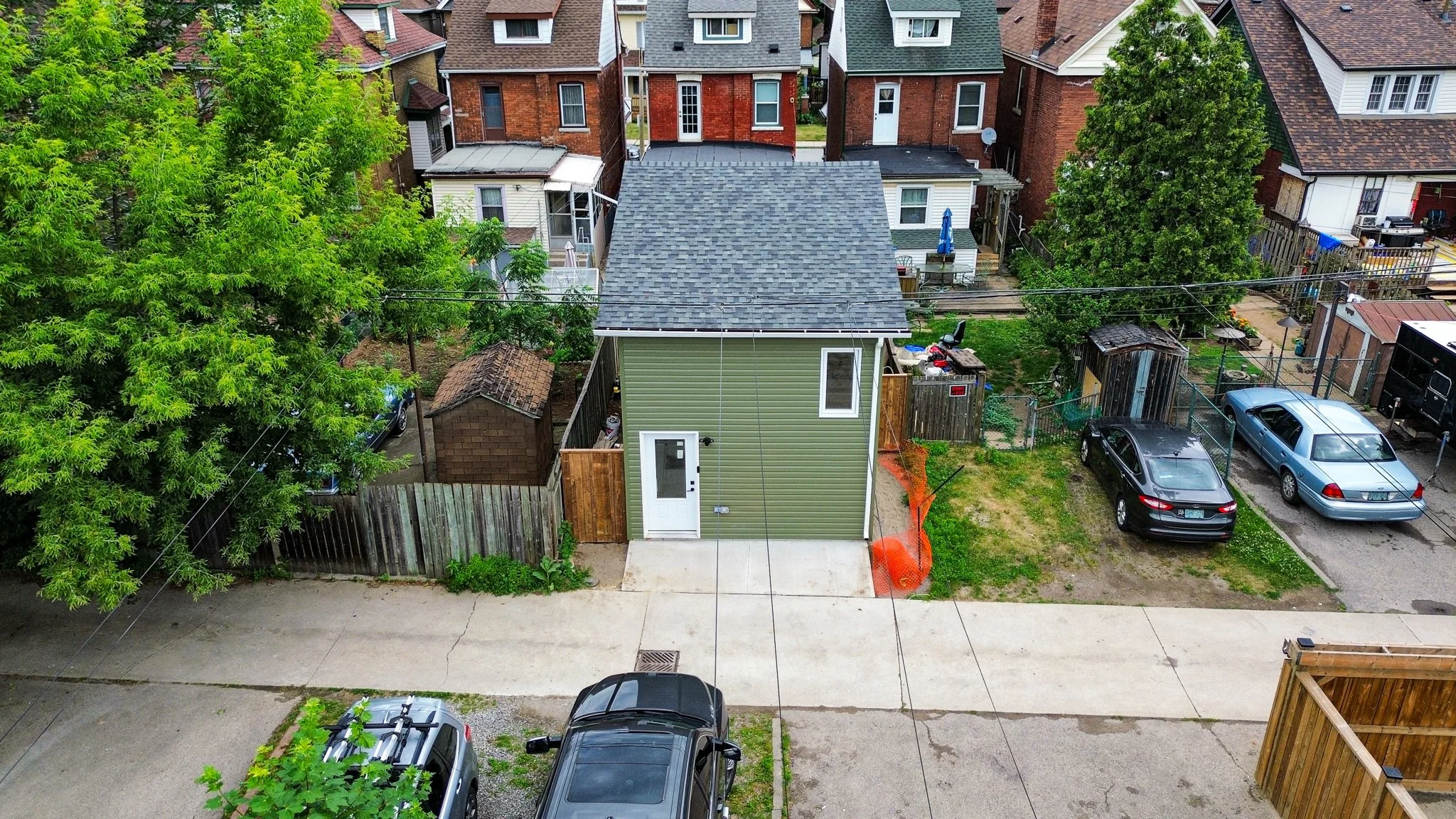
This project involved a two-storey laneway home built behind a century residence on a downtown, laneway-facing property. The homeowners originally struggled with another contractor and needed a design team who could deliver a compliant, buildable solution without more delays. MW Drafting & Design stepped in to provide enhanced permit drawings, zoning strategy, and full project guidance.
The Key Challenges
1. Maximizing Space Within Strict Zoning Limits
Hamilton’s zoning bylaws impose tight height restrictions on laneway suites. The homeowners wanted a full two-storey design—without triggering a minor variance.
2. Picking Up a Failed Project From Another Designer
The homeowners had experienced setbacks and needed a seamless takeover with improved clarity and execution.
Solution: Strategic, Code-Driven Design From MW Drafting
Creative Adjustments to Meet Height Requirements
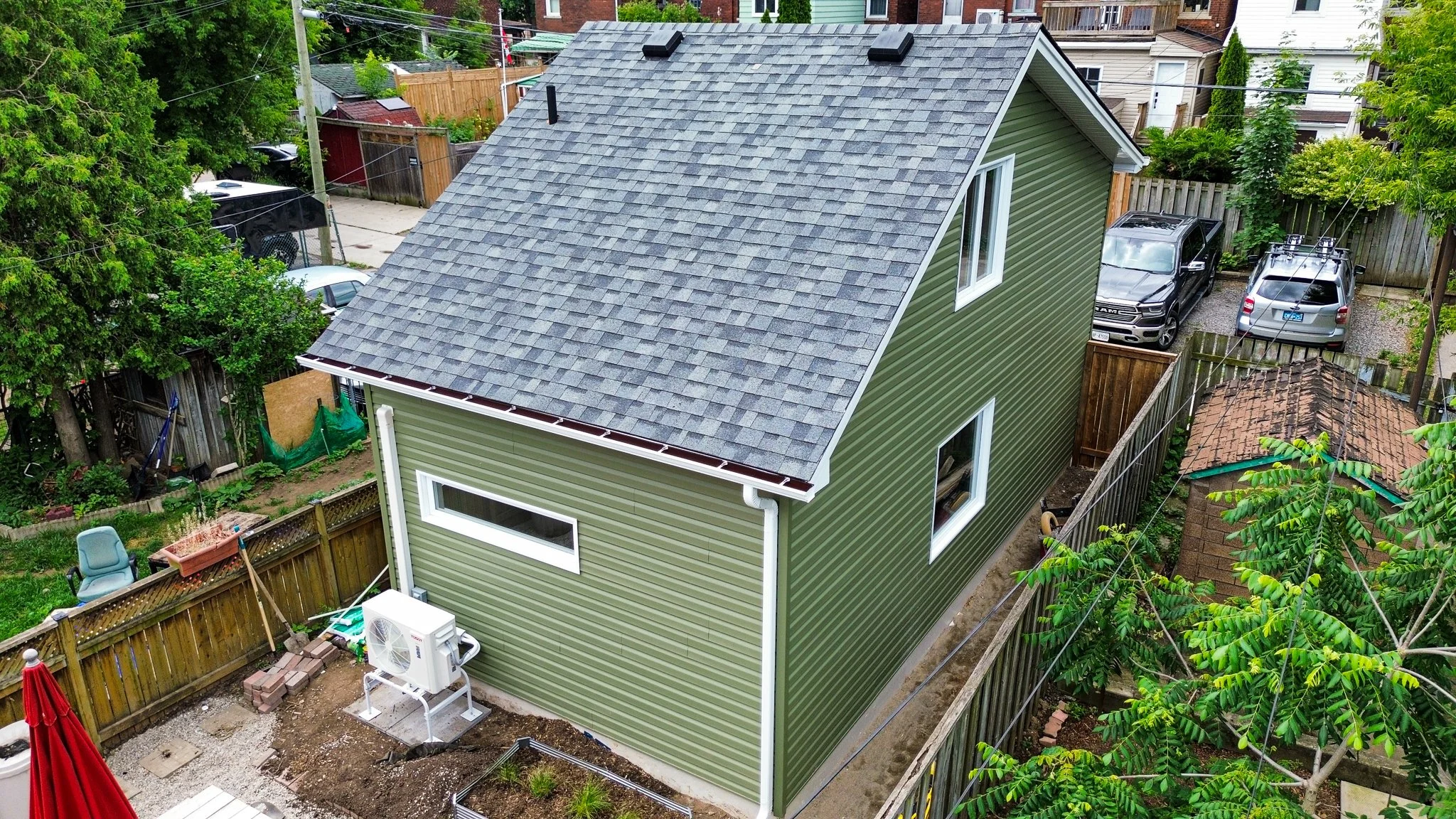
MW Drafting worked with a grading consultant and optimized the truss design to bring the structure within one inch of the maximum allowable height—a critical move that avoided the need for a minor variance.
Enhanced Permit Drawing Package
Starting from an existing concept, MW Drafting improved constructibility, zoning compliance, and overall clarity—creating a complete, BCIN-certified building permit drawing set.
Turn-Key Support With Suite Builders
This laneway home was delivered through a collaboration between MW Drafting & Design and Suite Builders, a design-build firm with deep experience constructing laneway suites across Ontario.
Together, we ensured:
Code-compliant design
Accurate zoning interpretation
Construction-ready documentation
Efficient communication from design through build
A predictable, smooth project timeline
A Successful Outcome
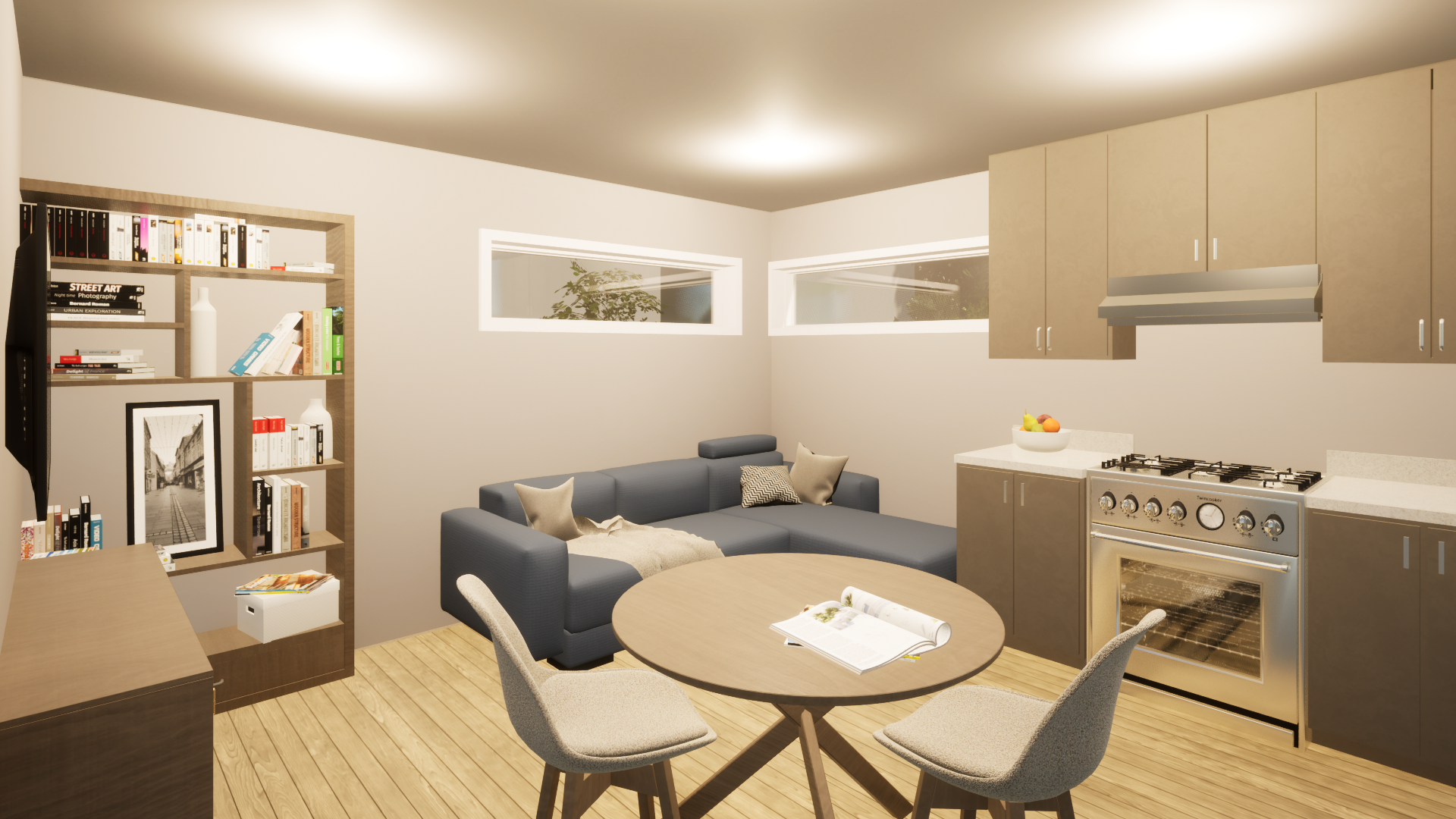
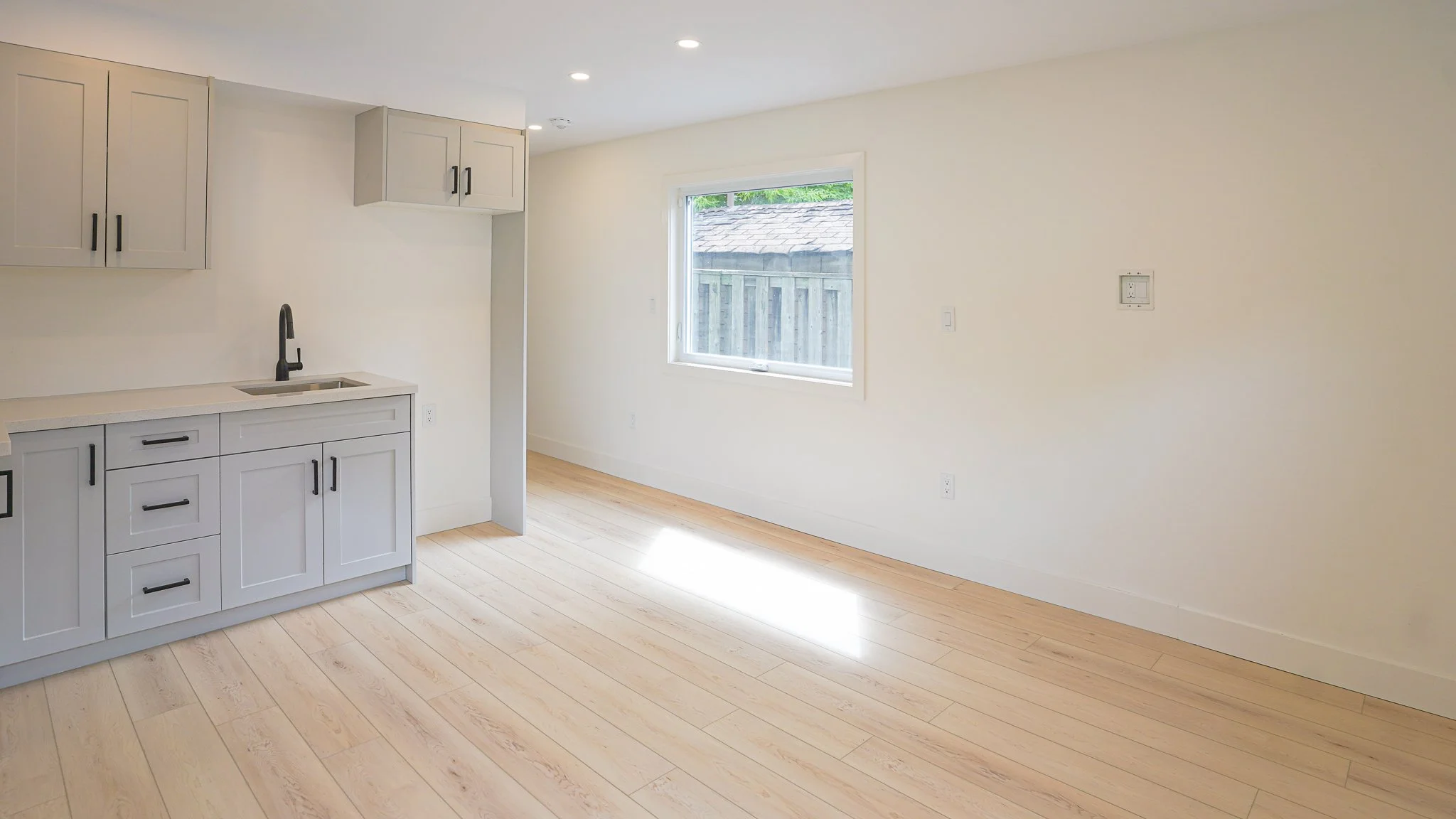
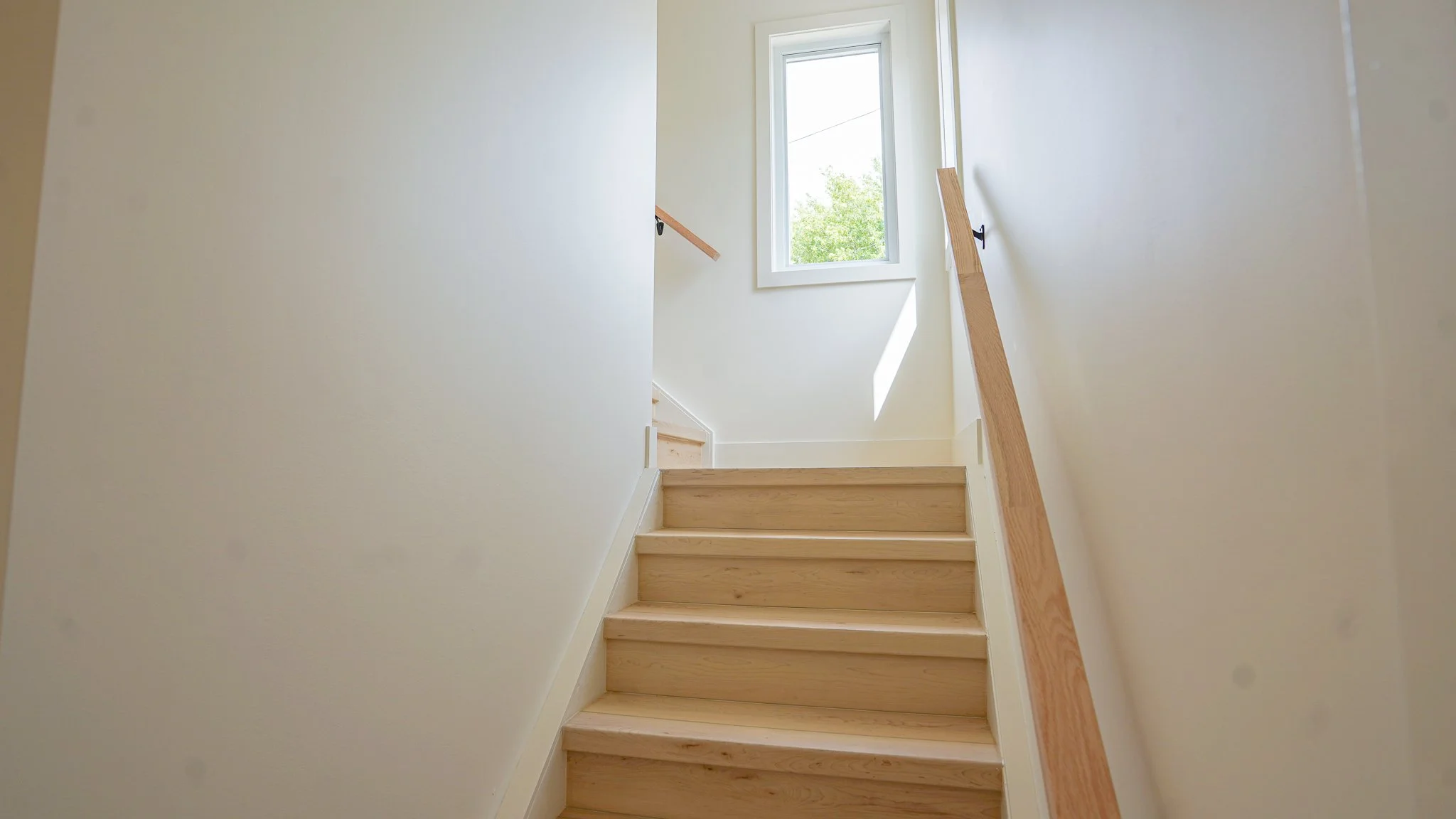
The project advanced without a variance, avoided further delays, and delivered a functional 685 sq.ft. two-storey laneway home capable of generating steady rental income.

What Drawings Do You Need for a Laneway Home Permit in Hamilton?
Homeowners and investors asking “What do I need for a laneway home permit?” or “Who can draw plans for a laneway house in Hamilton?” are usually looking for a clear checklist.
Below are the typical drawings Hamilton requires for ADUs and laneway homes:
Site Plan showing setbacks, lot lines, grading and structures
Floor Plans (existing & proposed)
Elevations showing height compliance
Building Sections
Roof Plan
Foundation & Structural Plans
Mechanical/HVAC plans (if required)
Lot grading plan when necessary
Survey / R-Plan
OBC compliance documentation
BCIN-certified designer stamp (or architect/engineer)
MW Drafting & Design produces all required ADU permit drawings in-house, backed by extensive experience in ARU, ADU, and secondary suite permitting.
Do You Need a Minor Variance for a Laneway Home in Hamilton?
Not always—but many times yes, especially in Hamilton’s older neighbourhoods.
A minor variance may be required if your design exceeds zoning limits for:
Height
Lot coverage
Setbacks
Building footprint
ARU placement
Parking or access
In the above case study, MW Drafting strategically redesigned the roof structure to avoid a minor variance entirely—saving the homeowners months of delays.
MW Drafting also offers a Minor Variance Guarantee, helping clients secure approvals when variances are unavoidable.
Why Choose MW Drafting & Design for Your Hamilton Laneway Home?
MW Drafting stands out because of:
BCIN-Certified Ontario Building Code Expertise
All drawings meet or exceed OBC requirements for ARUs and small residential structures.
Deep Experience With Secondary Suites & Laneway Homes
From zoning review to permit submissions, MW Drafting has completed dozens of ARU and ADU designs across Ontario.
Proven Success on Older, Smaller, Challenging Lots
This project demonstrates clear skill navigating zoning restrictions, height limits, and constructibility challenges.
Minor Variance Expertise—And a Guarantee
If your project requires a variance, MW Drafting & Design manages the entire process with confidence and experience.
Complete Permit-Ready Drawing Packages
Every document you need for the City of Hamilton is handled by one team.
Ready to Build a Laneway Home in Hamilton? Start With a Free Discovery Call
MW Drafting & Design helps homeowners, landlords, investors, and builders bring laneway homes, ADUs, and secondary suites to life—efficiently, legally, and with a focus on smart design. Book your free discovery call and get started right away!